
Introduction
Makeup primer is a product used before applying foundation or other makeup. It creates a smooth base for your skin. In simple words, it prepares your face for makeup. A good primer helps fill small pores and fine lines. As a result, your makeup looks more even and neat.
However, many people skip primer in their routine. They think it is not necessary. But this small step can make a big difference. Without primer, makeup may fade faster or look uneven. So, using a primer can help your makeup last longer and stay fresh.
In addition, makeup primers offer many useful benefits. It can control oil, add hydration, and improve the overall look of your makeup. Different primers are made for different skin types. Therefore, choosing the right primer can help you achieve a smooth and long-lasting makeup look.
Makeup Primer: What Is It?
How Makeup Primer Works on Your Skin
Makeup primer is a product used before foundation.Makeup is applied to your skin after it is preparedIn simple words, it creates a smooth base. As a result, makeup spreads more evenly on the skin. It also helps reduce the look of pores and fine lines.
In addition, primer forms a thin layer on the skin. This layer helps makeup stay in place for longer hours. Therefore, your foundation, blush, and other products look fresh. Because of this, many makeup artists consider primer an important first step.
Different Types of Makeup Primers
There are different types of makeup primers for different skin needs. For example, some primers control oil. Others add hydration to dry skin. In the same way, some primers brighten the face or blur pores.
Therefore, choosing the right primer is important. Your skin type should be taken into account when choosing a primer. For instance, oily skin works well with mattifying primers. In contrast, hydrating primers benefit dry skin.
Makeup Primer Benefits for a Smooth Base
Makeup lasts longer with this product
One of the biggest benefits of primer is long-lasting makeup. It helps the foundation stay in place for many hours. As a result, your makeup does not fade quickly. This is especially helpful on busy days or at events.
Moreover, primer helps makeup blend better. Because of this, your skin looks smooth and polished. Many people notice that their makeup looks more professional when they use primer first.
Minimizes Pores and Fine Lines
Primer can make pores and fine lines look smaller. It fills tiny gaps on the skin. The face appears smoother as a result. Therefore,the foundation sits better and does not settle into lines.
This benefit is helpful for many skin types. It gives the skin a soft and even appearance. In addition, it can improve the overall finish of your makeup.
Oil and shine are controlled
Some primers are designed to control oil. They help reduce extra shine during the day. As a result, your face looks fresh instead of greasy.
Common benefits of oil control primers include:
- Helps reduce shine on the T-zone
- Prevents foundation from melting
- Makes makeup look matte and smooth
- Helps maintain a clean makeup finish
How to Use Makeup Primer in Your Makeup Routine
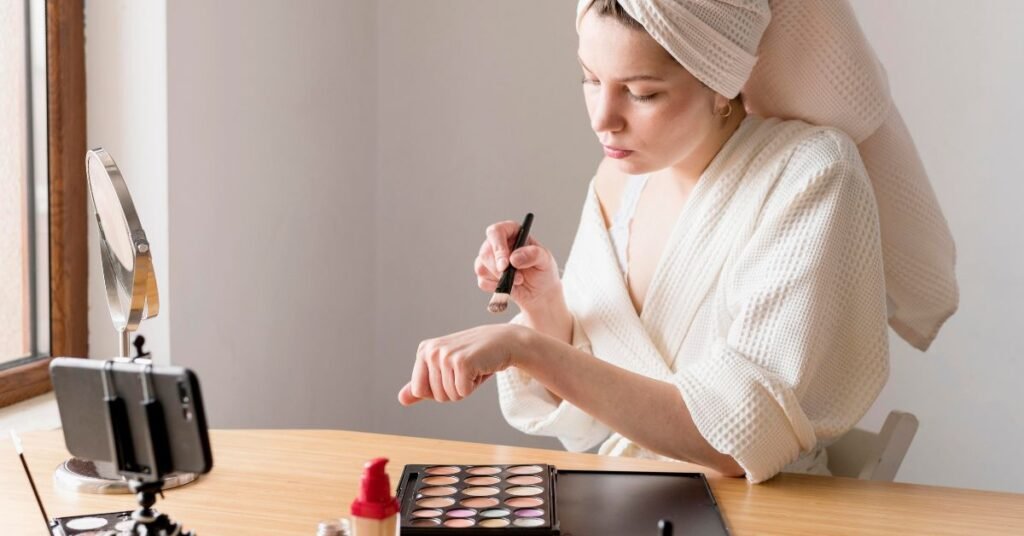
Steps to Apply Makeup Primer Correctly
Using a primer is simple. However, applying it correctly can improve your makeup results. First, always start with clean skin. Then apply moisturizer and let it absorb. After that, take a small amount of primer.
Next, gently blend the primer on your face. Focus on areas like the nose, cheeks, and forehead. These areas usually have visible pores. Finally, wait a few seconds before applying foundation. As a result, the primer sets properly.
| Step | What to Do | Why It Is Important |
| 1 | Face cleaning | Removal of dirt and oil |
| 2 | Moisturizer application | Keeps skin hydrated |
| 3 | Take a small amount of primer | Too much product can look heavy |
| 4 | Apply on key areas (nose, cheeks, forehead) | Smoothens the pores and texture |
| 5 | Blend gently with fingers or sponge | Helps create an even base |
| 6 | Wait 30–60 seconds | Allows primer to settle |
| 7 | Apply foundation or concealer to even out your skin tone. | Makeup blends better on primed skin |
Common Mistakes to Avoid
Many people make small mistakes when using primer. For example, using too much product can make the skin look heavy. Therefore, a small amount is enough.
Another common mistake is applying primer on dry or unmoisturized skin. As a result, the makeup may not blend well. In addition, always choose a primer that matches your skin type.
Choosing the Right Makeup Primer for Your Skin Type
Primer for Oily Skin
Choosing the right makeup primer depends on your skin type. For oily skin, a mattifying primer works best. This helps keep excess oil under control and prevents your skin from looking too shiny. As a result, your makeup stays fresh for a longer time. In addition, it helps prevent foundation from melting during the day.
Look for primers that are lightweight and oil free. These products help keep the skin smooth and matte. For example, many primers are made to reduce the look of large pores. Therefore, they create a cleaner and smoother makeup base.
Good features for oily skin primers:
- Oil control formula
- Mattifying effect
- Lightweight texture
- Helps minimize pores
Primer for Dry Skin
Dry skin needs a hydrating primer. This type of primer adds moisture to the skin. As a result, makeup blends more easily and looks smooth. In addition, it helps prevent foundation from looking patchy or flaky.
Hydrating primers often contain nourishing ingredients. These ingredients help keep the skin soft and healthy. Therefore, they are perfect for people who struggle with dryness before applying makeup.
Good features for dry skin primers:
- Hydrating ingredients
- Smooth and creamy texture
- Helps reduce dry patches
- Creates a glowing base
Primer for Combination or Sensitive Skin
Combination skin can be both oily and dry. Therefore, a balancing primer works well. It controls oil in the T zone while keeping other areas hydrated. As a result, your makeup looks more even and natural.
Sensitive skin needs gentle products. So, it is best to choose a primer with simple and calming ingredients. In addition, fragrance free formulas are usually safer for sensitive skin.
Good features for combination or sensitive skin primers:
- Lightweight and balanced formula
- Gentle and skin-friendly ingredients
- Helps to smooth out uneven texture.
- Suitable for daily makeup use
Conclusion
Makeup primer is a small but powerful step in a makeup routine. It helps prepare the skin before foundation. As a result, makeup looks smoother and more even. In addition, primer can improve how long makeup lasts during the day.
Therefore, adding primer to your routine can make a noticeable difference. Whether your skin is oily, dry, or combination, there is a primer for every skin type. With the right product and proper application, you can achieve a clean and long-lasting makeup look.
FAQs
1. Do I need primer for everyday makeup?
No, it is not required. However, primer helps makeup last longer and look smoother.
2. Can I use primer without foundation?
Yes. Primer alone can smooth the skin and reduce shine.
3. How much primer should I use?
A small pea sized amount is usually enough for the whole face.
4. Is primer good for oily skin?
Yes. Mattifying primers help control oil and reduce shine.
5. Should I apply primer before or after my moisturizer?
You should always apply primer after moisturizer.
