


How to contour your face Contouring is a makeup technique that shapes and defines your face. It uses slightly darker shades to create soft shadows. These shadows make your cheekbones, jawline, and nose look more defined. When done naturally, contouring looks light and fresh. It should enhance your features, not change them completely.
But many people feel confused about contouring. They worry it will look too heavy or fake. However, natural contouring is simple and easy to learn. You do not need thick layers of makeup. Instead, you just need the right shade and soft blending.
In this guide, you will learn how to contour your face naturally for everyday makeup. First, we will talk about choosing the right product. Then, we will cover where to apply it for different face shapes. Finally, you will discover easy blending tips for a smooth and natural finish.
Choosing the Right Contour Products
Cream vs Powder Contour for Everyday Use
Choosing the right contour product is very important. First, you need to understand your skin type. Cream contour works best for dry or normal skin. It blends easily and gives a soft, natural glow. On the other hand, powder contour is better for oily skin. It controls shine and feels light on the face. So, pick the formula that suits your skin and daily routine.
However, both cream and powder can look natural if blended well. For example, cream products melt into the skin. Meanwhile, powder products give a soft matte finish.How to contour your face If you want quick makeup, powder is easy to apply. But if you like a dewy look, cream is a great choice. Therefore, always test what feels comfortable for everyday use.
Picking the Right Shade for Your Skin Tone
Now let’s talk about shade selection. This step makes a big difference. Always choose a contour shade that is one or two shades darker than your skin tone. It should look like a soft shadow, not a dark stripe. Choose a light cool brown for fair skin. Soft neutral brown works best on medium skin. Rich brown shades complement deeper skin tones.
In addition, check the undertone of your skin. If you have cool undertones, choose a contour with a grey or cool base. If you have warm undertones, choose a slightly warm brown. Avoid orange shades because they look like bronzer. So, the right shade will make your contour look natural and smooth.
What Is Natural Face Contouring?
Difference Between Natural and Heavy Contouring
Natural face contouring means shaping your face softly. It enhances your real features. It does not change your face completely. Heavy contouring, however, uses dark shades and sharp lines. It looks dramatic and bold. Natural contouring looks light and fresh.
Here is the simple difference:
- Natural contour uses light layers.
- Heavy contour uses thick and dark lines.
- Natural contour blends softly.
- The heavy contour looks sharp and strong.
- Natural contour is best for daytime.
- Heavy contour is better for events or photos.
Therefore, if you want everyday makeup, natural contour is the better option.
Why Natural Contour Is Perfect for Daily Makeup contour face
Natural contour is perfect for daily makeup because it looks effortless. It saves time. It feels light on the skin. Also, it works well for school, office, or casual outings. You do not need many products. Just a soft contour and good blending is enough.
Moreover, natural contouring improves your face shape gently. It adds definition without looking fake. As a result, your makeup looks clean and polished. So, if you want simple beauty, natural contour is the right choice.
How to Contour Your Face Step by Step
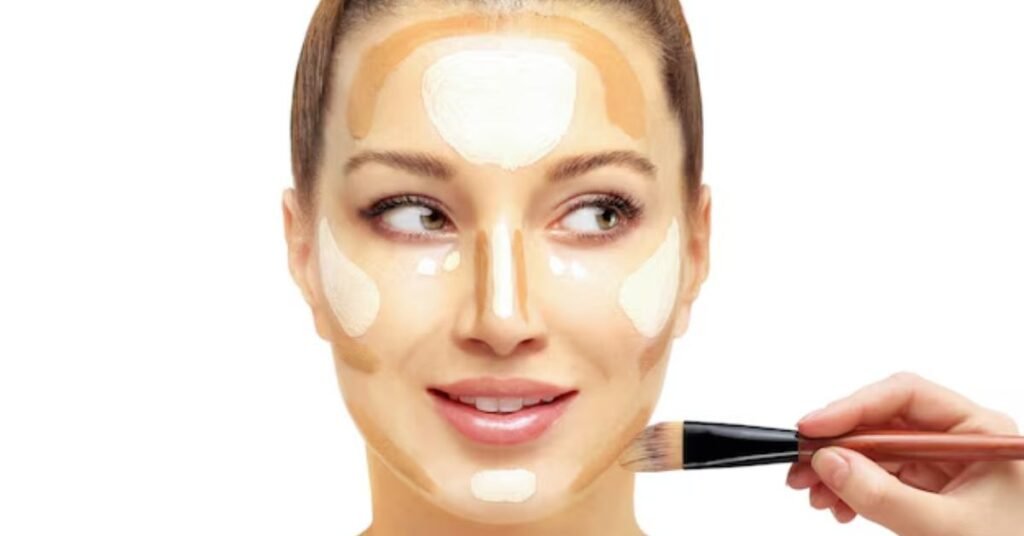
Contouring the Cheekbones
First, find your cheekbones. You can slightly suck in your cheeks to see the hollow area. Then, apply contour just below the cheekbone. Start from the ear and move toward the middle of the cheek.Keep it away from your mouth.. This creates a lifted look.
Contouring the Nose and Jawline How to contour your face
Next, contour the nose if you want a slimmer look. Along the sides of your nose, draw two thin lines. Keep them soft and close together. Then, blend gently. For the jawline, apply contour along the lower jaw. This adds definition and makes the face look sharp but natural.
Blending for a Soft and Natural Finish contour your face
Blending is the most important step. Without blending, the contour looks harsh. Use a soft brush or sponge. Blend in upward motions. Do not rub too hard. Take your time. As a result, your makeup will look smooth and natural.
Here is a simple step by step table for easy understanding:
| Step | Area | How to Apply | Blending Tip | Result |
| 1 | Cheekbones | Apply below cheekbone from ear inward | Blend upward softly | Lifted look |
| 2 | Nose | Draw thin lines on both sides | Use small brush and blend gently | Slimmer nose effect |
| 3 | Jawline | Apply along lower jaw | Blend downward toward neck | Defined jaw |
| 4 | Forehead (optional) | Apply near hairline | Blend into hairline | Smaller forehead look |
| 5 | Final Touch | Check harsh lines | Blend again lightly | Smooth natural finish |
Conclusion
Natural contouring is simple and easy to learn. It enhances your beauty in a soft way. You do not need heavy makeup. Instead, you only need the right product and good blending. Therefore, focus on light application and smooth finish.
In the end, makeup should make you feel confident. Practice slowly and try different techniques. Soon, you will find what works best for your face. So, keep it natural, keep it simple, and enjoy your everyday makeup look.
FAQs
1. Is natural contouring easy for beginners?
Yes, beginners can master natural contouring. Start with a light hand and blend softly for a subtle, defined look.
2. Do I need to contour every day?
Contouring isn’t mandatory daily. However, a soft contour enhances your facial features for a polished everyday makeup look.
3. Can bronzer replace contour?
Bronzer warms up the skin, while contour creates shadows. You can use both together for a natural sculpted effect.
4. How can I make my contour look realistic?
Pick a shade 1 2 tones darker than your skin and blend carefully. Avoid harsh lines to keep the look soft and natural.
5. Should contour be applied before or after foundation?
Contour works best after foundation. This ensures it blends seamlessly and looks smooth on your skin.
