

Introduction
Starting with makeup can feel exciting but also a little confusing. With so many products, makeup tools, and tutorials online, it is easy to wonder what goes first and what actually works. If you have been searching for makeup for beginners, you are probably looking for simple steps that make makeup feel easier instead of overwhelming.
This beginner beauty guide is here to make things clear and stress-free. You will learn a simple makeup routine, basic face makeup steps, and helpful makeup application tips that are easy to follow at home. Whether you want a natural makeup look or an everyday makeup routine, this guide will help you build confidence and enjoy the process.
I Am a Makeup Teacher
Learning makeup for beginners does not mean you need expensive products or professional tools to get good results. The main goal is to understand your natural features, build confidence, and practice simple makeup techniques that work for your skill level and skin type. Watching tutorials can help, but having a clear step by step makeup guide makes the learning process easier.
There is no single perfect makeup order that works for everyone. Your beginner makeup routine should match your skin, comfort level, and the look you want to create. Whether you prefer a natural makeup look, minimal makeup, or full face makeup, the most important thing is finding a routine that feels simple and manageable.
A basic makeup routine for beginners starts with skin prep, then foundation, concealer, and powder. Face makeup, eye makeup, and lip products complete the look, and with practice and the right tools, it becomes easier and more enjoyable.
Step 1: Skincare
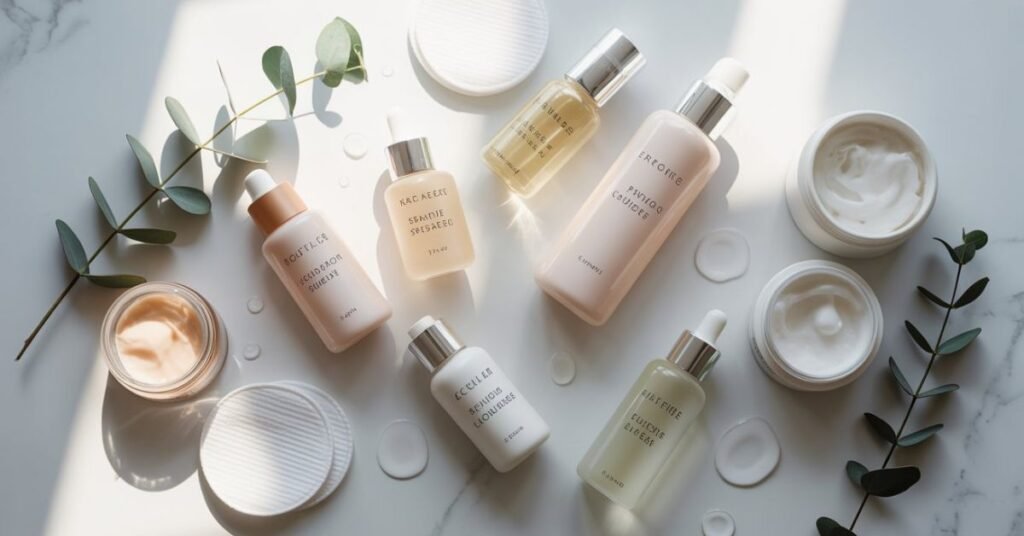
The first step in makeup for beginners is not makeup itself it starts with skincare. Healthy, well-prepared skin creates a smoother base and helps you achieve a more natural and fresh appearance. A good skincare routine supports a consistent glow and makes your makeup application look better overall.
Before moving into your face makeup steps, focus on skin prep and keeping your skin healthy. Proper skincare and makeup go hand in hand, helping you build a simple and effective beginner makeup routine with better results. Healthy skin is the foundation of any beautiful makeup look.
What About Face Primers Makeup for Beginners?
Face primer can help makeup last longer and give a smoother finish, but it is not always needed if you have good skincare and skin prep.Healthy, prepared skin often creates a strong base for makeup application on its own.
That said, primers can still be useful depending on your needs and desired look. The key takeaway is that while makeup preparation matters, daily skincare is even more important. Taking care of your skin can improve overall skin health, support healthy skin, and may help with concerns like acne or visible signs of aging over time. For many people, strong skincare and makeup habits matter more than adding extra products.
Step 2: Complexion
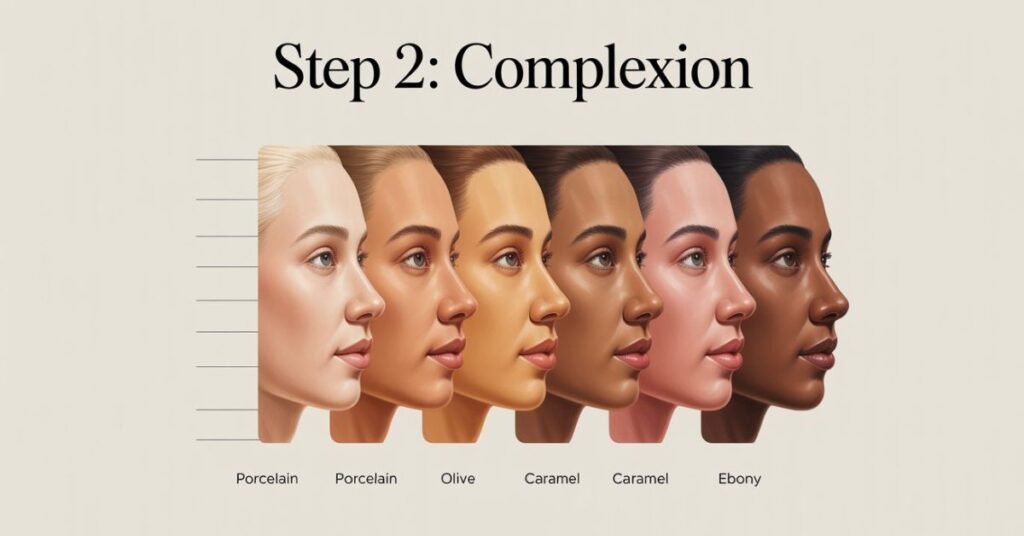
Creating a beautiful complexion does not mean using a large amount of makeup. Many people believe that a flawless makeup application requires heavy products, but most prefer a natural makeup look or minimal makeup look with softer coverage. The key is understanding your skin tone, undertone, and choosing products that work well for your skin.
When building your base makeup, it is important to learn about different foundation formulas, from lightweight foundation and natural coverage to full coverage foundation options. A good foundation shade match can make your face makeup look more even and natural. Most importantly, strong skin prep and proper makeup preparation from the first step help create a smoother and healthier-looking complexion.
There’s No “Best Technique” to Applying Your Foundation, But Here Are My Three Preferred Methods
- Buffing Brush for More Coverage
A buffing brush works well when you want to build your liquid foundation and create more coverage. This method supports smoother makeup blending and can help achieve a more flawless complexion. - Fingers for Quick Application
When time is limited, applying foundation with your fingers can be a fast and simple option. This easy method fits well into a beginner’s makeup routine and supports quick makeup applications at home. - Paddle Foundation Brush for Oily Skin or Extra Precision
A paddle-shaped foundation brush can be useful when you have extra time or are dealing with oily skin. This makeup tool offers more control during base makeup application and helps create an even finish. - Choose What Works Best for You
There is no single perfect makeup technique for foundation. Different makeup brushes, fingers, or tools work better depending on your skin, coverage needs, and personal comfort. The goal is to find a method that makes your makeup for beginners routine easier and more natural.
Concealer Makeup for Beginners
Concealer use depends on your skin type, the foundation formula you choose, and how much coverage you want. Heavy concealer application may look good under studio lighting or on camera, but in natural light it can sometimes appear thick or cakey. For many people, a lighter and more balanced approach creates a better natural makeup look.
Concealer can be used alone to cover blemishes, dark spots, or dark circles when you do not want a full face of makeup. It can also be applied over liquid foundation to refine your base makeup, improve blemish coverage, and help polish the final look. To improve wear and reduce creasing, many people set their concealer with setting powder and the right makeup brush. In a makeup routine for beginners, foundation often provides most of the coverage while concealer adds targeted perfection where needed.
Step 3: Eye Makeup for Beginners
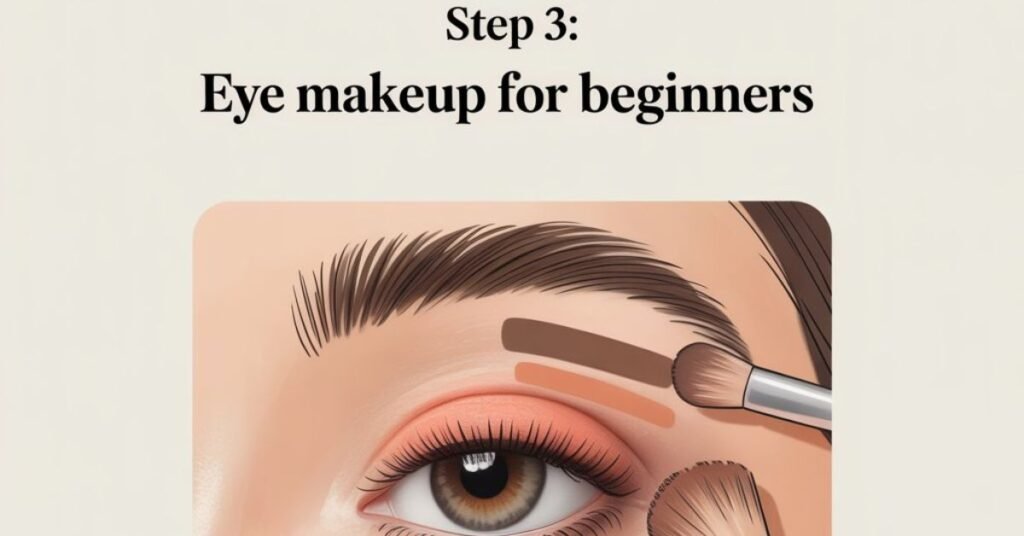
Eye makeup for beginners does not need to be complicated. While the large number of colors and products can feel overwhelming, most everyday looks only need simple and flattering choices. For daily wear, a basic eye makeup routine with soft shades often works better than using too many products or following every new beauty trend.
When choosing eyeshadow and brow products, focus on shades that suit your eye shape, skin tone, and personal style. A large eyeshadow palette is not always necessary, especially when learning the makeup basics. Neutral shades like brown, black, and cream can create a clean and polished simple makeup look and are often enough for an everyday makeup routine. Instead of buying many new products, building a small collection of versatile shades can make makeup for beginners easier and more practical.
Three Pro Eyebrow Tips Makeup for Beginners
- Use Brow Gel for Quick Results
A brow gel is one of the fastest ways to shape and control your brows. It is simple to use and works well in an everyday makeup routine when you want neat and natural-looking brows. - Blend Eyebrow Pencil Properly
An eyebrow pencil is another easy option for filling sparse areas. For a softer and more natural finish, always blend the product with a spoolie after application. - Potted Brow Gel Gives More Definition
Potted brow gels create fuller, defined brows but need more time and practice. Using a good eyebrow brush and spoolie helps smooth application, though it can be tricky for shaky hands. - Keep Brows Natural
One of the best makeup artist tips is to remember that less is more. In makeup for beginners, the goal is to gently shape and fill the brows, not completely redraw them. Small adjustments often create the most flattering and natural makeup look.
Step 4: Lips Makeup for Beginners
Lip makeup can feel overwhelming because there are many lip colors and product types to choose from.From lip balm to lipstick, beginners often wonder which option suits them best and if lip liner is needed.
Choosing the right lip product is about finding shades that suit your style and boost your confidenceEven similar colors have different undertones that can change how they look on your skin. In makeup for beginners, trying different lip makeup helps you find what suits you best.
Bonus Step: Define Your Makeup Style Makeup for Beginners!
- Know the Look You Want
Before building a makeup routine for beginners, it helps to decide what kind of style you want. Having a clear idea of your makeup goals makes makeup application feel easier and more confident. - Natural or Glam Both Need Skill
Whether you prefer a natural makeup look or a glamorous style, both require similar makeup basics and techniques. A minimal makeup look or “no makeup” makeup still involves choosing the right products and applying them thoughtfully. - The Right Tools Matter
Good makeup tools and makeup brushes can make a big difference in your results. Even simple or affordable products can look better when applied with the right techniques and tools. - Learn What Works for You
Understanding your skin type, facial features, and personal preferences helps you create a better beauty routine. Learning about suitable products, colors, and practical makeup hacks can make makeup for beginners feel less confusing and more enjoyable.
Conclusion
Learning makeup for beginners is not as hard as it looks. First, you just need to focus on skincare, basic products, and simple steps. Then, slowly build your makeup routine with practice and confidence. As a result, your overall makeup skills will improve over time.
Finally, remember that makeup is personal and flexible. There is no perfect rule that works for everyone. Instead, use what feels right for your skin and style. With time and consistency, you will create a smooth and natural look that suits you best.
FAQs:
A simple routine includes skin prep, primer, foundation, concealer, light face makeup, eye makeup, and lip color for a natural finish.
2. What makeup should beginners start with?
Beginners should start with basic products like moisturizer, foundation, concealer, mascara, and lip gloss for an easy everyday look.
3. Do I need primer for beginner makeup?
Primer is optional, but it can help smooth the skin and make makeup last longer if your skincare routine is already in place.
4. What is the correct order of makeup application?
The usual order is skincare, primer, base makeup (foundation and concealer), face makeup, eye makeup, and then lips.
5. How can I make my makeup look natural?
Use light coverage products, blend well, and choose shades close to your skin tone for a soft and natural makeup finish.
